Research Hub

COA, HPLC & Batch Traceability Guide | Research Peptides UK
A detailed Avion BioLabs quality guide explaining COA, HPLC, batch traceability, documentation checks and research-use labelling. Read more...
Semaglutide vs Tirzepatide Research Comparison | GLP-1 vs Dual Agonist
A detailed Avion BioLabs research-use comparison of Semaglutide and Tirzepatide, covering chemical identity, GLP-1 vs dual receptor pathway interest, research positioning and Avion research tools. Read more...
Semax vs Selank Research Comparison | Nootropic Peptides
A detailed Avion BioLabs research-use comparison of Semax and Selank, covering nootropic and anxiolytic peptide research, identity checks and internal Avion links. Read more...
BPC-157 vs TB-500 vs KLOW80 Research Comparison
A detailed Avion BioLabs recovery research comparison covering BPC-157, TB-500 and KLOW80, with quality documentation and internal Avion links. Read more...
CJC-1295 No DAC vs Ipamorelin Research Comparison
A detailed Avion BioLabs research-use comparison of CJC-1295 No DAC and Ipamorelin, covering GH-axis research and quality documentation. Read more...
MOTS-C vs NAD+ Research Comparison | Mitochondrial Research
A detailed Avion BioLabs comparison of MOTS-C and NAD+ for mitochondrial and cellular energy research, with quality checks and internal Avion links. Read more...
GHK-Cu vs AHK-Cu Research Comparison | Copper Peptides
A detailed Avion BioLabs research-use comparison of GHK-Cu and AHK-Cu, covering copper peptide research, skin and hair study context, quality documentation and internal Avion links. Read more...
BPC-157 vs TB-500-Research-Comparison
A detailed Avion BioLabs research-use comparison of BPC-157 and TB-500, covering recovery research pathways, structural identity, quality checks and internal Avion links. Read more...
Retatrutide vs Tirzepatide: Triple vs Dual Receptor Research Compared
Retatrutide and Tirzepatide are prominent incretin-related research compounds, but their receptor profiles differ. Explore triple GIP/GLP-1/glucagon signalling versus dual GIP/GLP-1 signalling, current evidence, study limitations and key research questions. Read more...
What Is Bacteriostatic Water Used For in Research? Solvent & Handling Overview
Bacteriostatic water is commonly discussed as a preserved aqueous solvent used in controlled research settings for handling lyophilised materials, solvent preparation, repeated-withdrawal research workflows and laboratory calculation support. Read more...
What Is Kisspeptin-10 Being Studied For? HPG-Axis Research Overview
What Is Kisspeptin-10 Being Studied For? HPG-Axis Research Overview Kisspeptin-10 is a KISS1-derived research peptide studied in relation to GPR54 / KISS1R receptor signalling, GnRH neuron activation, LH and FSH... Read more...
What Is KLOW Being Studied For? Multi-Pathway Research Blend Overview
KLOW is a multi-compound research blend containing BPC-157, TB-500, GHK-Cu and KPV, studied through component-level literature around tissue-response models, copper peptide biology, angiogenesis, gut-barrier research and inflammatory signalling. Read more...
What Is Ipamorelin Being Studied For? Growth Hormone Secretagogue Research Overview
Ipamorelin is a growth hormone secretagogue research peptide studied in relation to ghrelin receptor signalling, GH-axis models, pituitary response, growth hormone pulsatility and endocrine pathway research. Read more...
What Is CJC-1295 No DAC + Ipamorelin Being Studied For? GH-Axis Research Overview
CJC-1295 No DAC + Ipamorelin is a GH-axis research blend studied in relation to GHRH analogue models, ghrelin receptor signalling, growth hormone pulsatility, IGF-1 pathway research and endocrine signalling models. Read more...
What Is SS-31 Being Studied For? Mitochondrial & Cardiolipin Research Overview
SS-31, also known as elamipretide or MTP-131, is a mitochondria-targeting research peptide studied in relation to cardiolipin interaction, mitochondrial membrane stability, oxidative stress and cellular bioenergetics. Read more...
What Is Epithalon Being Studied For? Telomere & Ageing-Biology Research Overview
Epithalon, also known as Epitalon, is a tetrapeptide research compound studied in relation to telomerase activity, telomere-length models, cellular ageing, pineal peptide biology and circadian pathway research. Read more...
What Is MOTS-C Being Studied For? Mitochondrial Peptide Research Overview
MOTS-C is a mitochondrial-derived research peptide studied in relation to AMPK signalling, skeletal muscle metabolism, metabolic homeostasis, exercise-response models and ageing-related pathway research. Read more...
What Is AHK-Cu Being Studied For? Copper Peptide Hair Follicle Research Overview
AHK-Cu is a copper peptide research compound studied in relation to human hair follicle models, dermal papilla cells, fibroblast pathways, VEGF signalling and skin-structure research. Read more...
What Is TB-500 Being Studied For? Thymosin Beta-4 Fragment Research Overview
TB-500 is a thymosin beta-4 fragment research peptide studied in relation to actin regulation, cell migration, angiogenesis, tissue-response pathways and repair-focused preclinical models. Read more...
What Is BPC-157 Being Studied For? Tissue Repair & Gut Research Overview
BPC-157 is a research peptide studied in preclinical models involving tissue repair, tendon and ligament research, gut barrier models, angiogenesis pathways and wound-healing biology. Read more...
What Is Retatrutide Being Studied For? Triple-Receptor Research Overview
Retatrutide is an investigational triple-receptor research compound studied in relation to GLP-1, GIP and glucagon receptor pathways, metabolic signalling, body-weight-related models and next-generation incretin research. Read more...
What Is NAD+ Being Studied For? Research Overview
NAD+ is a research compound studied for its role in cellular energy, mitochondrial function, DNA repair, ageing biology, metabolic pathways, inflammation, and cellular stress response. Read more...
What Is GHK-CU Being Studied For? Copper Peptide Research Overview
GHK-CU is a copper-binding research peptide studied in skin biology, tissue repair models, collagen regulation, extracellular matrix research, and ageing-related mechanisms. Read more...
What Is Semax Being Studied For? Research Overview
Semax is a research peptide studied in neuroscience-related models, including neuroprotection, BDNF signalling, cognitive pathways, ischemia-related research, and functional brain network studies. Read more...
What Is Selank Being Studied For? | Selank Research Peptide UK
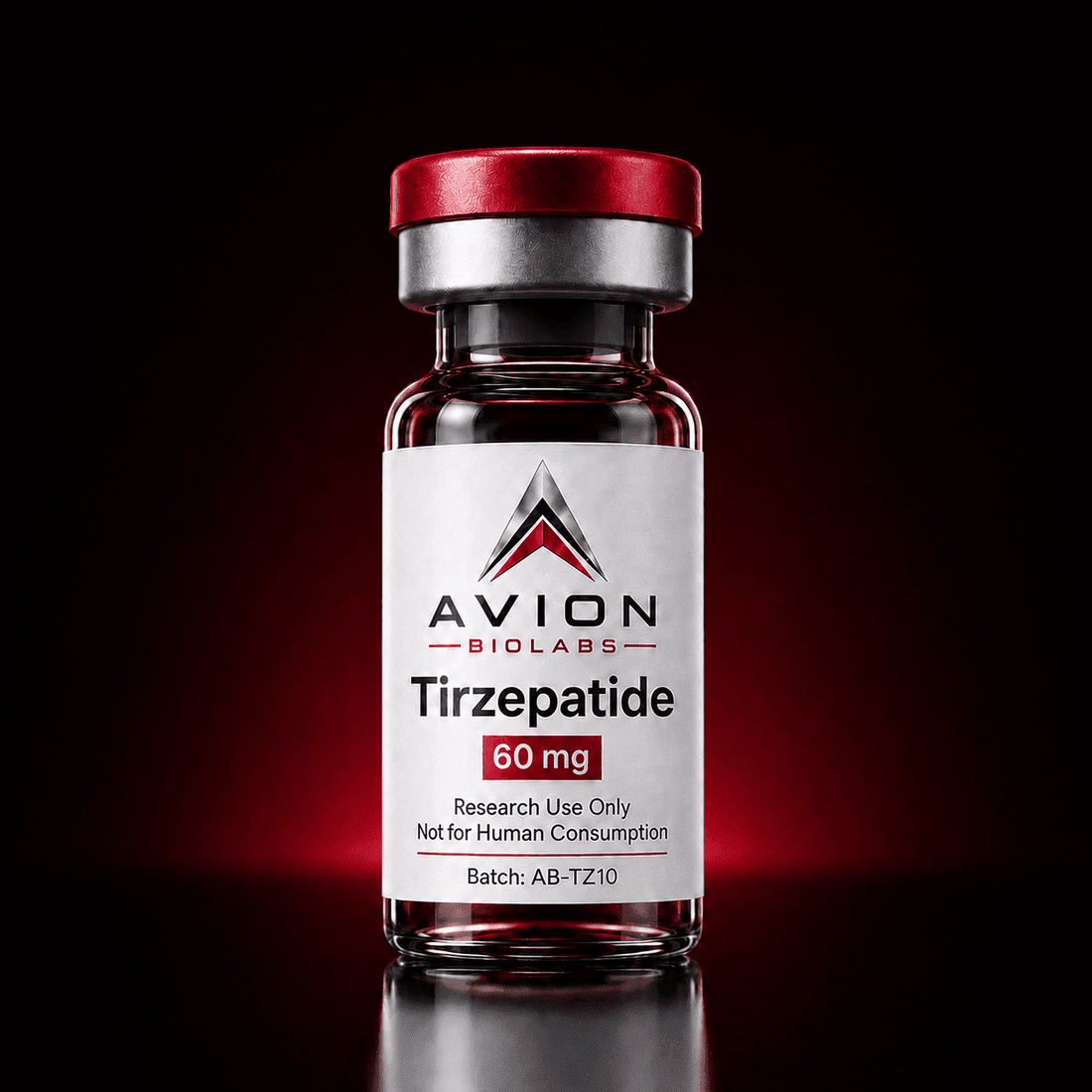
Selank is a synthetic heptapeptide research compound commonly studied in relation to tuftsin analogue research, peptide signalling, and short peptide characterisation. This overview explains what Selank is, why it appears... Read more...
Tirzepatide: What Is It Being Studied For?
Tirzepatide is a dual GIP and GLP-1 receptor agonist studied in metabolic research, glucose regulation, body-weight-related models, insulin sensitivity, obesity-related pathways, and long-term cardiometabolic outcomes. Read more...
Peptide Storage and Handling: General Research Guidance
Storage and handling can affect research materials. Here are general points to consider when handling peptide products. Read more...
Lyophilised Peptides Explained
Many research peptides are supplied in lyophilised form. This guide explains what that means and why it matters. Read more...